A Metamorphosis of Word and Image
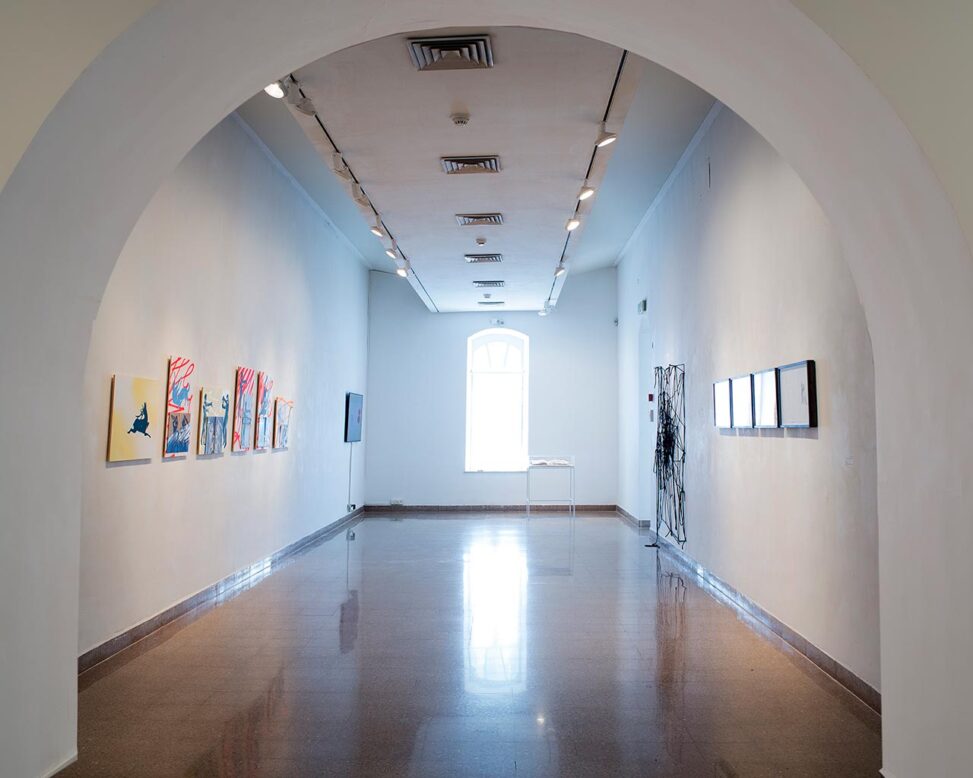
Photo: Shlomo Serry
Our father bought for two zuzim / one kid, one kid [Had Gadya, Had Gadya] / Our father bought a kid for two zuzim / so the haggadah has it…
– Chava Alberstein, Had Gadya, 1989
The story of the exhibition “Had Gadya” lies in the tragic cycle, which is at the core of our complex, controversial existence. A cumulative song, in which each verse adds another detail to the plot, the piyyut (liturgical poem) Had Gadya describes a chain of intensifying disasters. The exhibition does not seek to further illustrate the piyyut, but rather to try to extract the code—which recycles itself in events whose end is foretold—from the work of artists who experience the public and private manifestations of the horror cycle. The gaze explored is personal, as articulated in Alberstein’s song Had Gadya, written in 1989, during the first Intifada (Palestinian uprising), and its key question, which unfortunately does not lose its validity over the years: “On all nights, all nights / I would ask only four questions, / Tonight I have one more: / How much longer will the cycle of horror last? / Persecutor is persecuted, the beater is beaten, / When will this madness end?”
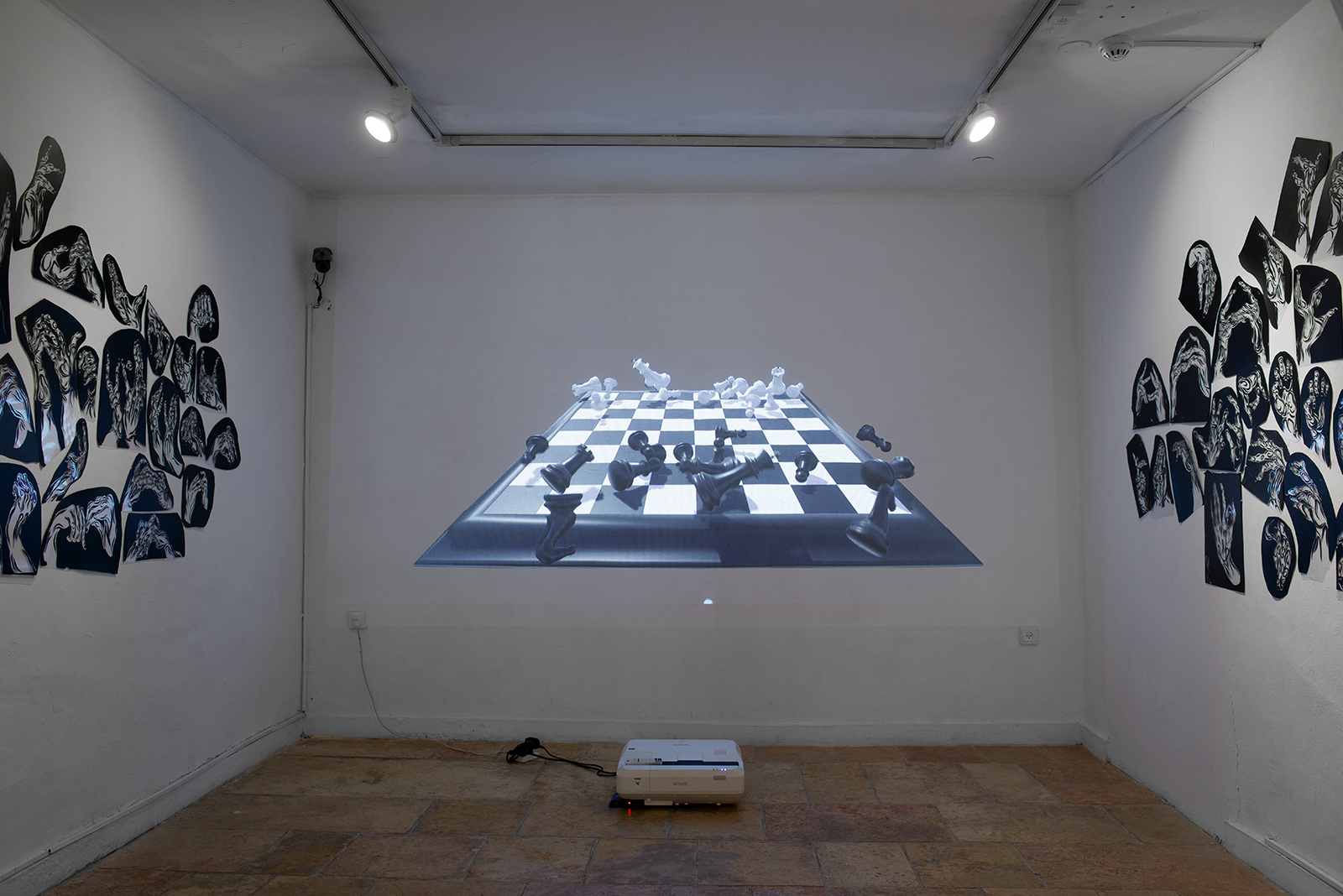
The exhibition presents works in a wide range of traditional and current techniques, realistic and abstract, formalistic and impressionist, attesting to human addiction to destructive events. The visual representation that took shape during the work on the exhibition reflects the preoccupation with the question of tragic cyclicality as it pertains to various tangled issues characterizing the multicultural era. The narrative relies on repeated campaigns of violence in the public and private space, among nations, families, and tribes, as well as within the family, allowing for a moment of empathy, of eschewal, of imaginary catharsis or, at the very least, a moment of grace, which is embraced and internalized.
Link to the exhibition Jerusalem Artists House – Press Here
Link to Portfolio Article in Hebrew – Press here
Presentation for The writer’s House, Tel Aviv, in Hebrew – Press here
Sophia Dekel-Caspi